China Top Motor Moving Equipment Suppliers for Global Buyers
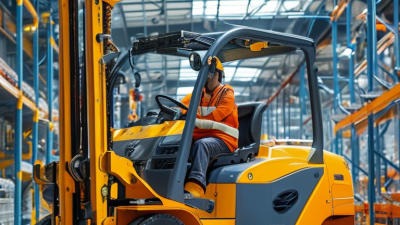
China has become a major sourcing base for motor moving equipment used in factories, warehouses, workshops, and construction projects. Global buyers can find conveyors, motorized trolleys, lifting systems, transport carts, and customized handling solutions. The right supplier should offer more than competitive pricing. Experience matters.
This guide introduces China’s leading suppliers of Motor Moving equipment for international procurement teams. It examines product range, manufacturing capability, quality control, customization, certifications, and export support. A reliable supplier should explain motor power, load capacity, travel speed, battery performance, control systems, and working conditions clearly. Buyers should also request drawings, inspection records, test videos, and reference projects before placing an order.
Small details matter. A trolley moving a 20-ton mold needs different wheels, brakes, and protection than a warehouse cart. Factory visits can reveal welding quality, assembly discipline, and spare-parts storage. Independent inspections may provide additional confidence. Communication should remain precise, especially when discussing voltage, plug types, floor conditions, packaging, and delivery schedules.
No supplier is perfect. A polished catalog cannot replace practical testing. Some specifications may require clarification. This is where careful questions protect the buyer. Long-term value depends on safe operation, maintenance access, response time, and transparent documentation. The following overview helps global buyers compare Chinese manufacturers with greater confidence, while recognizing that each project still needs professional evaluation and site-specific decisions.
What Motor Moving Equipment Includes and How It Supports Industrial Transport
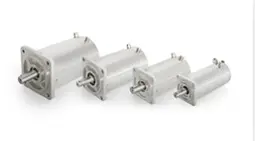
Motor moving equipment includes powered transfer carts, rail-guided vehicles, self-propelled transporters, and heavy-duty lifting platforms. These machines move motors, generators, transformers, and production modules across factories. Their value becomes clear when loads exceed ordinary forklift limits. A controlled electric drive can reduce manual handling and protect finished surfaces.
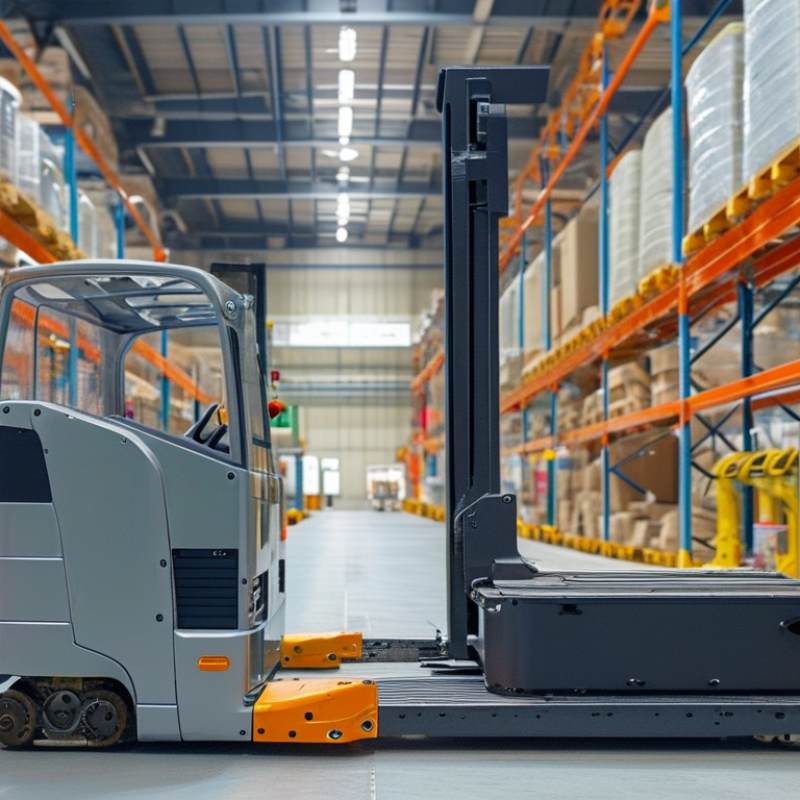
A motorized transfer cart usually combines steel frames, drive wheels, batteries, controls, and safety sensors. Some models follow embedded rails. Others steer across concrete floors with wireless controls. Load capacity, turning space, floor strength, and travel distance should guide equipment selection. A supplier should provide drawings, motor data, braking details, and maintenance instructions. Test records matter too. They show how the equipment performs under realistic loads.
In factory use, operators can position a large motor beside an assembly line with measured speed and limited vibration. Emergency stops, warning lights, obstacle detection, and reliable brakes support safer transport. Power systems also need attention, especially during long shifts. Battery charging space is often overlooked. That mistake can interrupt production.
From practical equipment reviews, smooth acceleration usually matters more than impressive top speed. It protects gears and reduces load movement. Still, no machine fits every floor or workflow. A few site measurements may reveal problems later. Careful suppliers discuss those limits openly. They also adapt control layouts for local operators, because small interface details can affect daily reliability.
Key Manufacturing Regions and Supplier Types in China
China Top Motor Moving Equipment Suppliers for Global Buyers
Key Manufacturing Regions and Supplier Types in China
China’s motor moving equipment supply chain is concentrated in several industrial regions. The Yangtze River Delta supports precision motors, gearboxes, sensors, and automation controls. The Pearl River Delta is stronger in compact drives, assembly systems, and export-oriented electrical components. Shandong and central China also offer competitive factories for conveyors, lifting units, and warehouse machinery.
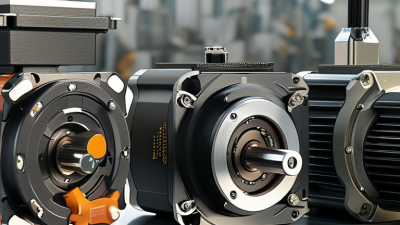
Supplier structure matters as much as location. Original equipment manufacturers usually control design, testing, and production. Contract manufacturers provide flexible capacity for established drawings. Component specialists focus on motors, reducers, controllers, or safety systems. System integrators combine these parts into complete material-handling lines. The right type depends on required customization, certification, and annual volume.
Industry data supports China’s manufacturing depth. UNIDO’s International Yearbook of Industrial Statistics places China as the world’s largest manufacturing economy. The International Energy Agency reported that China produced more than half of global electric cars in 2023, reflecting strong motor and power-electronics capabilities. However, scale does not guarantee reliability. A low quotation may hide weaker bearings, inconsistent winding quality, or limited after-sales support. Factory audits should review test records, traceability, load trials, and spare-parts planning. A spreadsheet can still hide production gaps. Suppliers should provide clear technical drawings and measurable acceptance standards.
How to read the chart: The index compares the relative concentration of motorized moving-equipment suppliers across China's main manufacturing regions. The supplier categories reflect common product groups used in conveyors, automated material handling, warehouse systems, lifting equipment, and industrial transport applications. The figures are regional concentration indicators rather than company sales or brand market shares.
How to Evaluate Chinese Motor Moving Equipment Suppliers
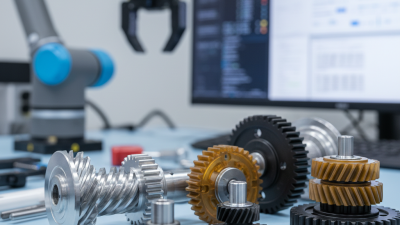
When evaluating Chinese motor moving equipment suppliers, begin with the application rather than the catalog. Define load weight, travel distance, duty cycle, speed, floor conditions, and operating temperature. A supplier should convert these details into clear motor, gearbox, wheel, and control specifications.
Ask for engineering drawings, test records, material grades, and production photos. Check whether serial numbers connect components to inspection reports. During a factory visit, watch assembly procedures, cable routing, welding quality, and final-load testing. A clean showroom is useful, but it proves little. Production evidence matters more. Request a sample or pilot unit before placing a large order. Measure noise, stopping distance, temperature rise, and battery performance under realistic loads.
Compliance requires careful checking. Confirm voltage, electrical protection, safety functions, and documents required in the destination market. Do not accept vague statements about certification. Verify the issuing body and the exact equipment model. Also review spare-parts availability, remote troubleshooting, warranty limits, and technician response times. These details often affect operating costs more than the initial quotation.
Price comparisons can mislead. A cheaper motor may use weaker bearings, thinner housings, or limited testing. I have seen specifications look complete while maintenance access was poorly considered. That is a warning, not a minor defect. Still, one audit cannot reveal everything. Keep written records, compare several suppliers, and let an independent engineer review critical designs before approval.
Ordering, Importing, and Managing Supplier Partnerships from China
China remains a major sourcing base for motorized moving equipment. The WTO’s World Trade Statistical Review 2024 reported that China supplied 14.2% of global merchandise exports in 2023. This scale creates choice, but not automatic quality.
Strong ordering begins with a measurable specification. State load capacity, travel speed, duty cycle, voltage, noise limits, and ingress protection. Request drawings, test records, sample units, and a production schedule. Compare landed cost, not only the factory price. Include tooling, packaging, freight, insurance, customs clearance, and inspection fees. The World Bank’s Logistics Performance Index 2023 shows that international shipping still depends heavily on tracking and border efficiency. Delays happen.
Import documents require discipline. Confirm the correct tariff classification with a qualified customs professional. Check commercial invoices, packing lists, certificates of origin, and electrical documentation before shipment. Use pre-shipment inspections for dimensions, wiring, safety guards, and operating tests. IEA analysis has estimated that motor systems consume over half of global industrial electricity. Efficiency deserves attention. It affects operating cost for years.
Tips: Keep one approved specification. Record every change in writing. A small mismatch can become an expensive field repair. Set response times, spare-parts availability, warranty evidence, and corrective-action procedures in the supply agreement. Review defect rates and delivery performance quarterly. Dual sourcing can reduce risk, though it may weaken volume pricing. The numbers help, but they are not the whole relationship. Supplier visits and honest technical discussions still matter.